中文
中文 English

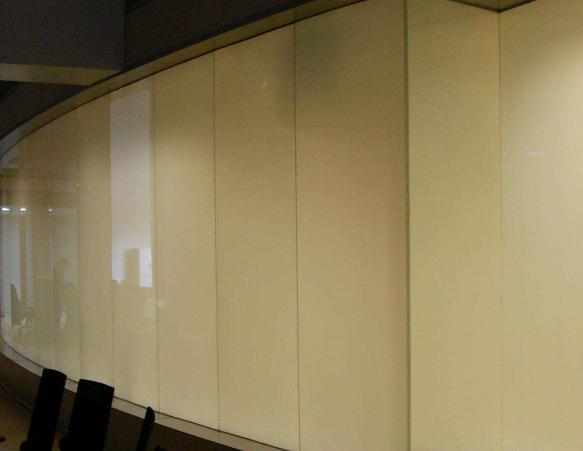
With the rapid development of the national economy and the continuous improvement of people's living standards, the requirements for the comfort of buildings are getting higher and higher. Therefore, the application of smart dimmable glass is becoming increasingly widespread. Dimmable glass, which was previously only used in public buildings, is now beginning to be used on the doors and Windows of ordinary civilian residences. Now, let's introduce the three main characteristics of dimmable glass to you.
The first feature is the highly efficient dimming property of dimmable glass
The shading coefficient of dimmable glass is adjustable. Under different conditions, the glass can be freely adjusted to be transparent or opaque, thereby regulating the room temperature. In summer, it can ensure lighting and avoid direct sunlight, and the blurred state can also reflect and remove most of the harmful light. In winter, it can keep warm and prevent cold, and avoid the loss of indoor heat energy.
The second feature: Dimmable glass is an effective energy-saving type
Using ordinary single-pane glass doors and Windows, cold and warm water escape quickly, resulting in high energy consumption and waste of expenses. Installing dimmable glass can increase the room temperature, reduce the cost of heating and cooling, and help customers lower their energy expenses. The energy-saving effect and economic benefits of dimmable glass are much more obvious than those of single-layer glass. Its energy-saving nature means that the consumption of coal for power generation is reduced, the emission of gases such as CO2 is decreased, and environmental pollution is reduced.
The third feature: The comfort of the height of dimmable glass
The conductive film of dimmable glass can not only adjust the light transmittance to make the room temperature comfortable for people inside, but also the appearance of dimmable glass itself can give people a comfortable and soft feeling, unlike ordinary glass which gives people a cold feeling. Smart dimmable glass is a type of glass with strong comprehensive performance. It is generally composed of two pieces of glass, with a large mass per unit area. Coupled with the effect of the vacuum layer, it has excellent sound insulation performance, giving people a sense of tranquility and comfort.
Because some dimmable glasses adopt the design principle of vacuum glass and can block the interference of external noise, the use of such glass on buildings can effectively prevent water vapor. In addition, the tempered layer of modern advanced dimmable glass is extremely hard. Its high strength significantly enhances the coefficient, allowing users to use it with confidence.