中文
中文 English

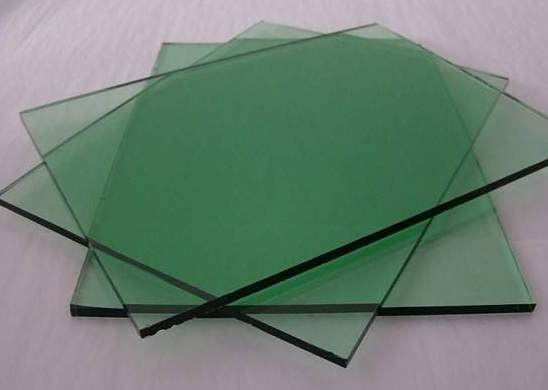
The tempering method that alters the surface components of glass through chemical means to increase the compressive stress of the surface layer and thereby enhance the mechanical strength and thermal stability of the glass is called chemical tempering. Because it strengthens glass through ion exchange, it is also called the ion exchange strengthening method. According to the type of exchanged ions and the temperature of ion exchange, it can be further classified into ion exchange methods with temperatures below the transition point and those with temperatures above the transition point. The principle of the chemical strengthening method is: based on the mechanism of ion diffusion, the surface composition of the glass is changed. At a certain temperature, the glass is immersed in high-temperature molten salt. The alkali metal ions in the glass and the alkali metal ions in the molten salt exchange with each other due to diffusion, generating a "blockage" phenomenon, which causes compressive stress on the glass surface and thereby enhances the strength of the glass.
According to the theory of the network structure of glass, glassy substances are composed of disordered three-dimensional spatial networks, which are made up of oxygen-containing ionic polyhedra, with their centers occupied by sAl or P ions. These ions, together with oxygen ions, form a network, which is filled with alkali metal ions and alkaline earth metal ions. Among them, alkali metal ions are relatively active and can easily precipitate from the interior of the glass. The chemical tempering method is based on the natural diffusion and mutual diffusion of ions to change the composition of the surface layer of the glass, thereby forming a surface compressive stress layer. However, the surface compressive stress layer produced by the ion exchange method is relatively thin and highly sensitive to surface micro-defects. Even a very small surface scratch is sufficient to reduce the strength of the glass.
Advantages and disadvantages of chemical tempering method for tempered glass manufacturers
The strength of chemically reinforced glass is close to that of physically reinforced glass, it has good thermal stability, a low processing temperature, and the product is not prone to deformation. Moreover, its products are not restricted by thickness and geometric shape, and the equipment used is simple, making the products easy to achieve. However, compared with physical tempered glass, chemical tempered glass has a longer production cycle, lower efficiency and higher production costs. Its fragments are similar to those of ordinary glass, with poor performance. Moreover, its performance is unstable, and its physical properties such as mechanical strength and impact strength are prone to decline, with rapid strength attenuation over time.
Scope of application: Chemically tempered glass is widely used in flat glass, thin-walled glass and special-shaped glass products for bottles and jars of different thicknesses, and can also be used for fire-resistant glass.